Hardware
Hardware is not a separate hobby beside my software work. It is where I learned that systems have tolerances, heat, backlash, connectors, broken prints, unsafe light sources and users standing next to the machine.
What shows up in the lab
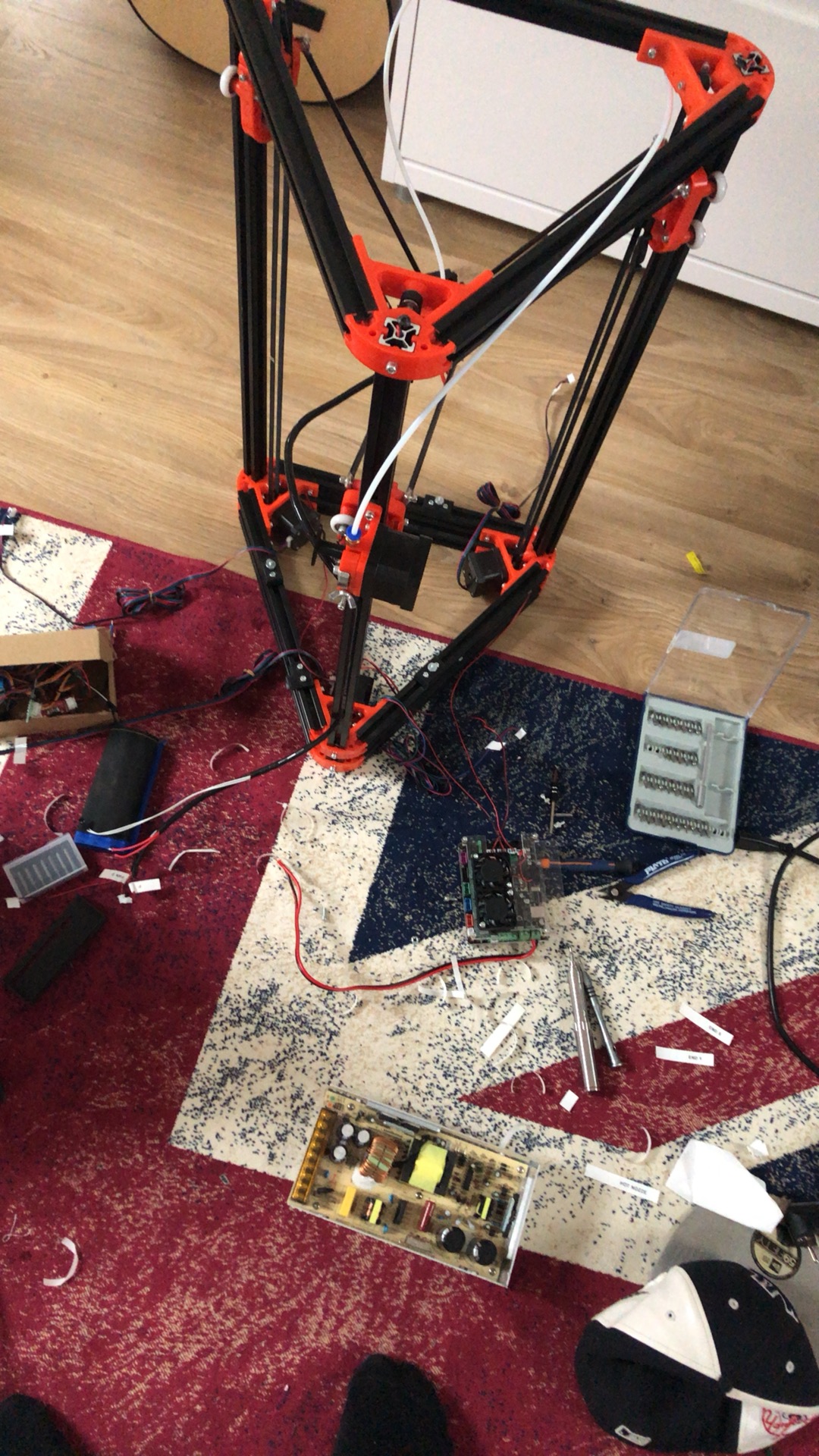
3D printers
Mechanical assembly, calibration, firmware configuration, motor drivers, thermal loops and repeatability.
CNC logic
G-Code, toolpaths, cycle time, material constraints and the habit of treating programs as physical instructions.
Electronics
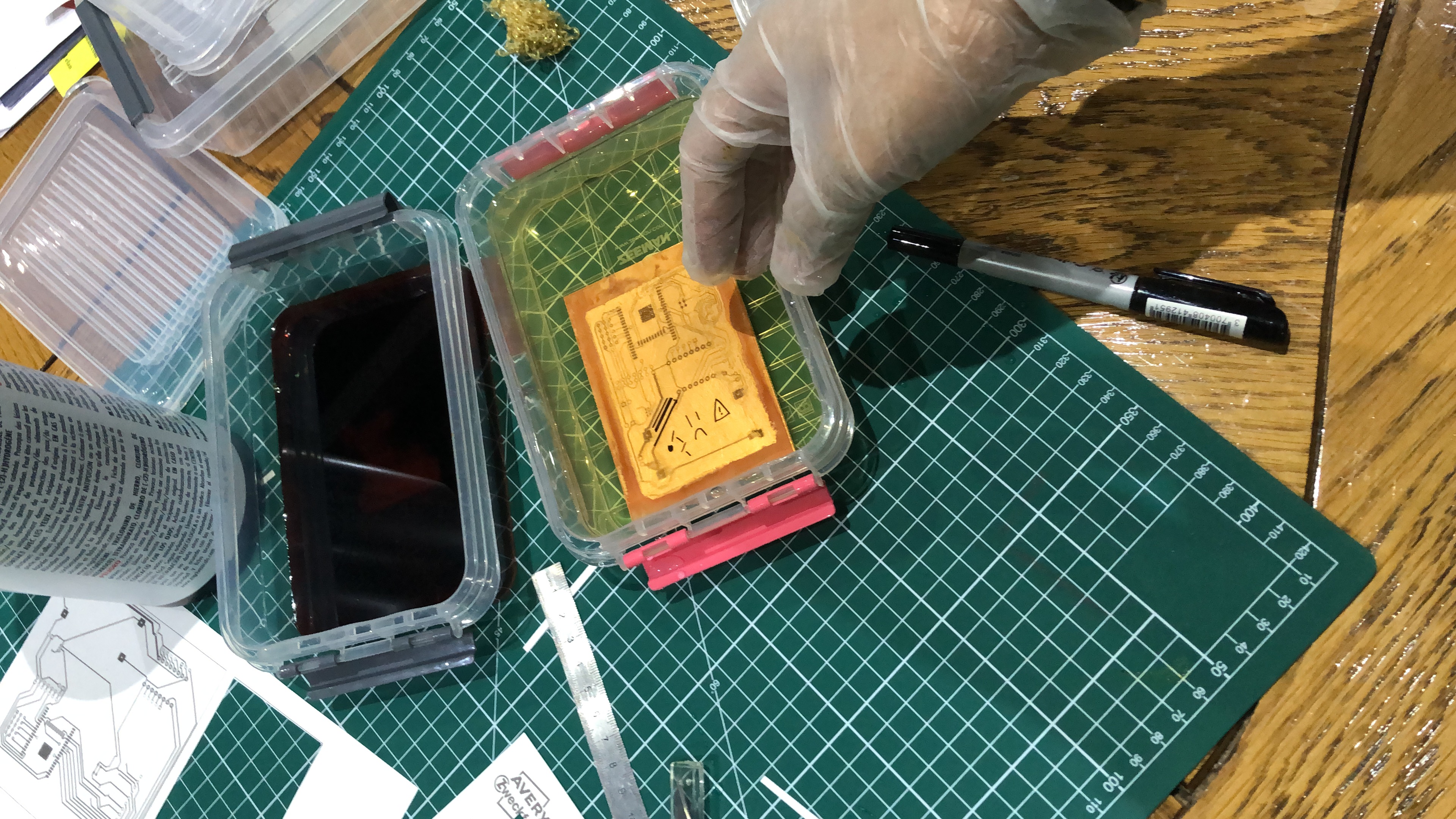
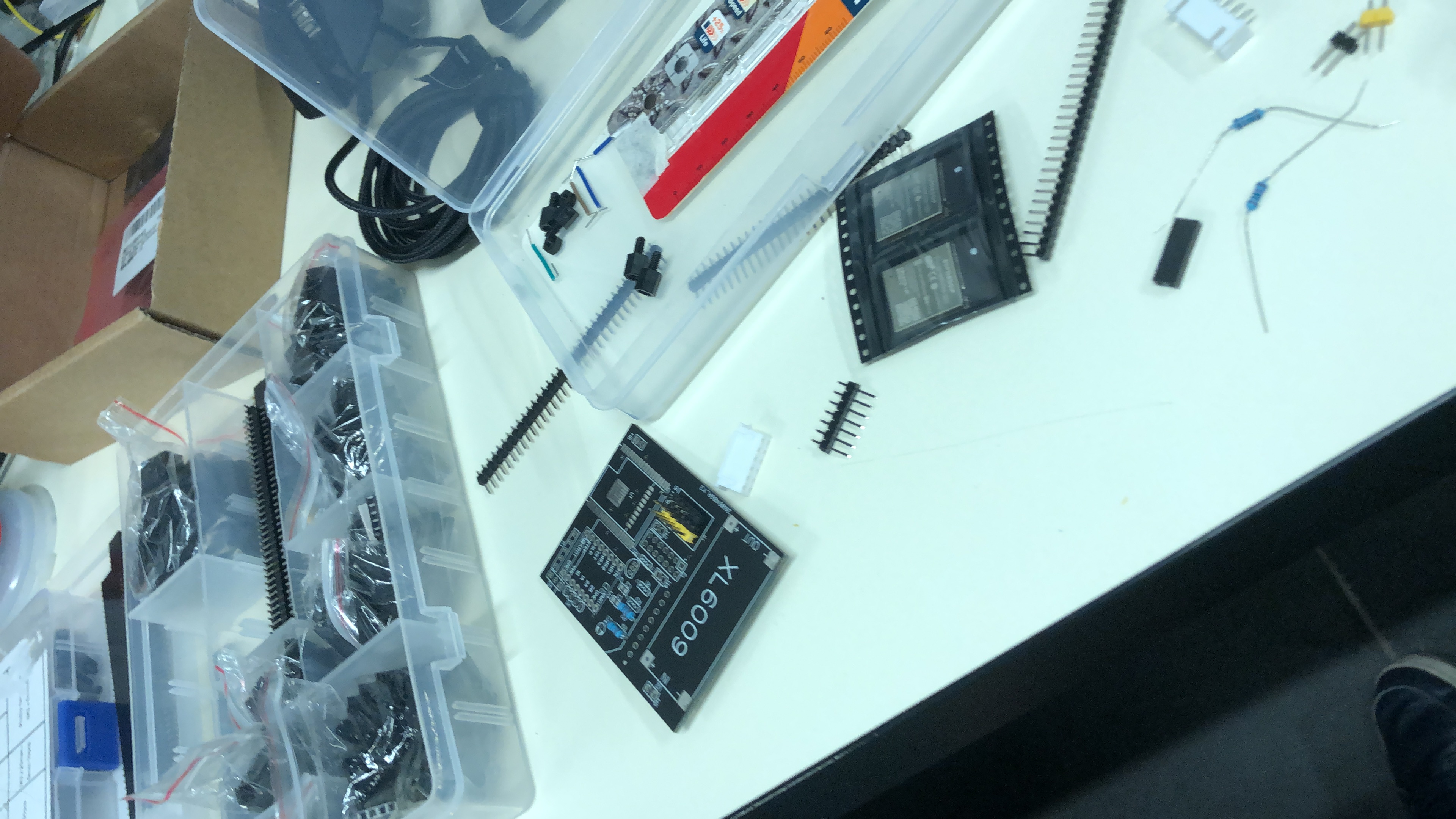
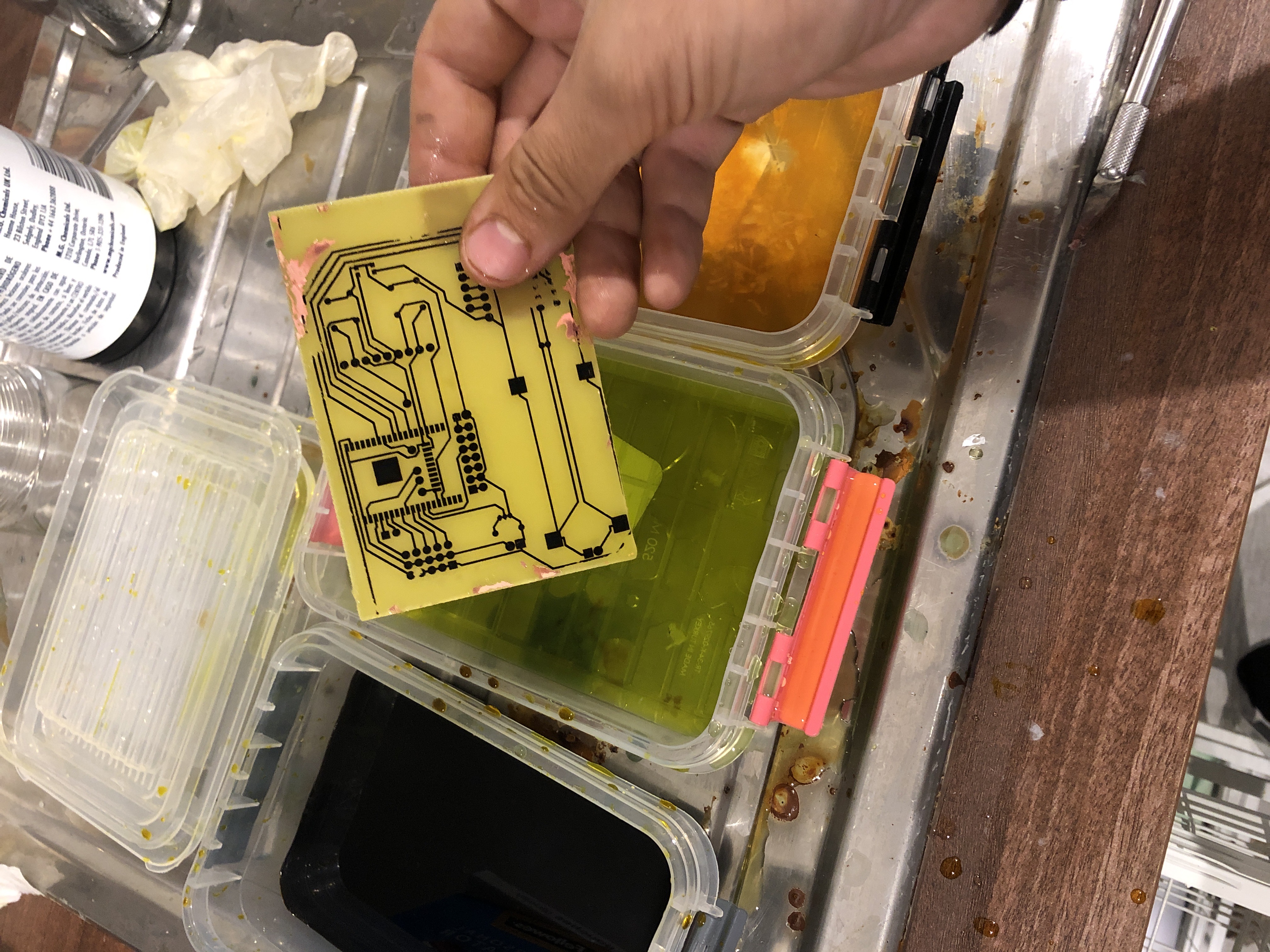
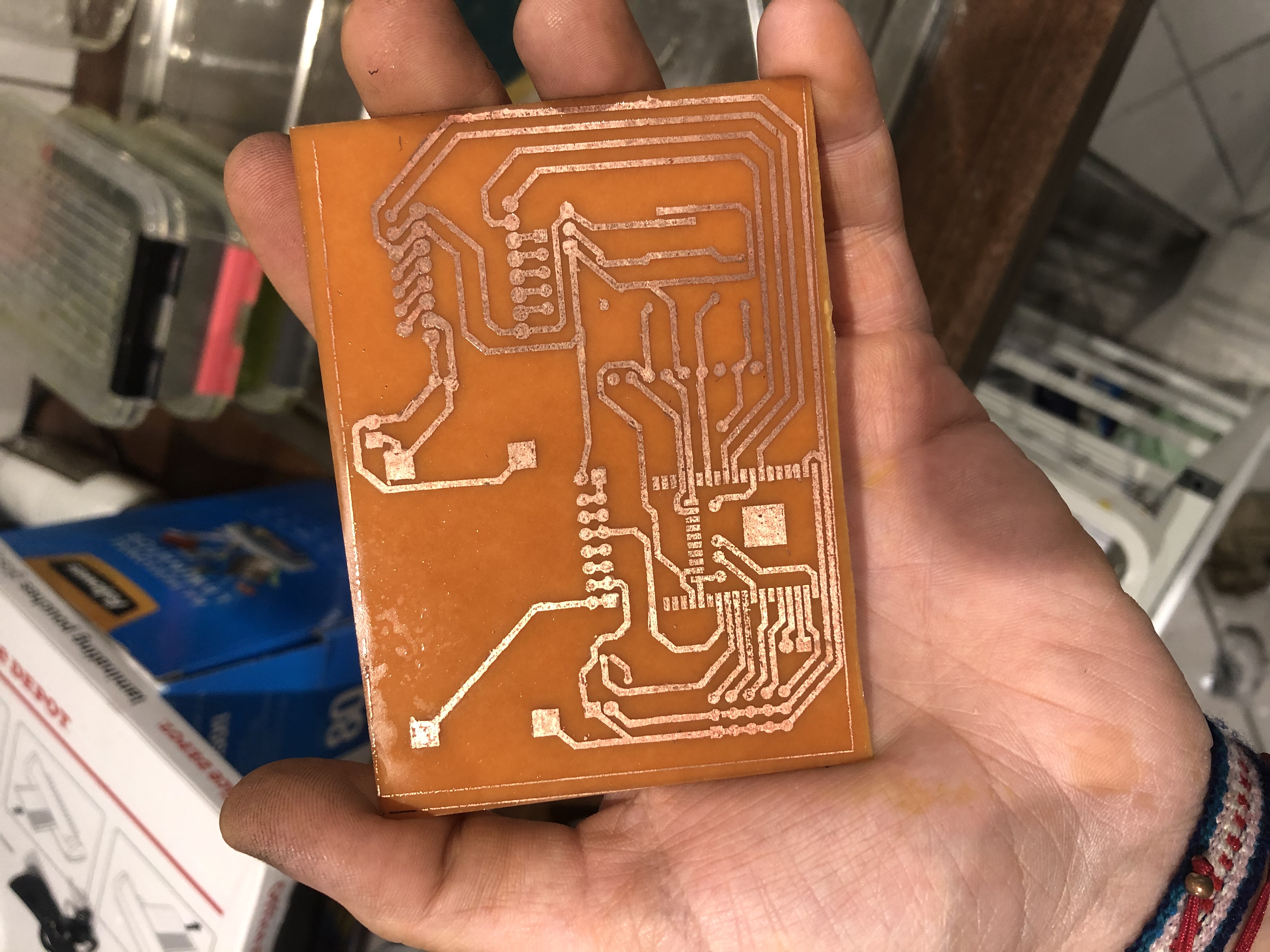
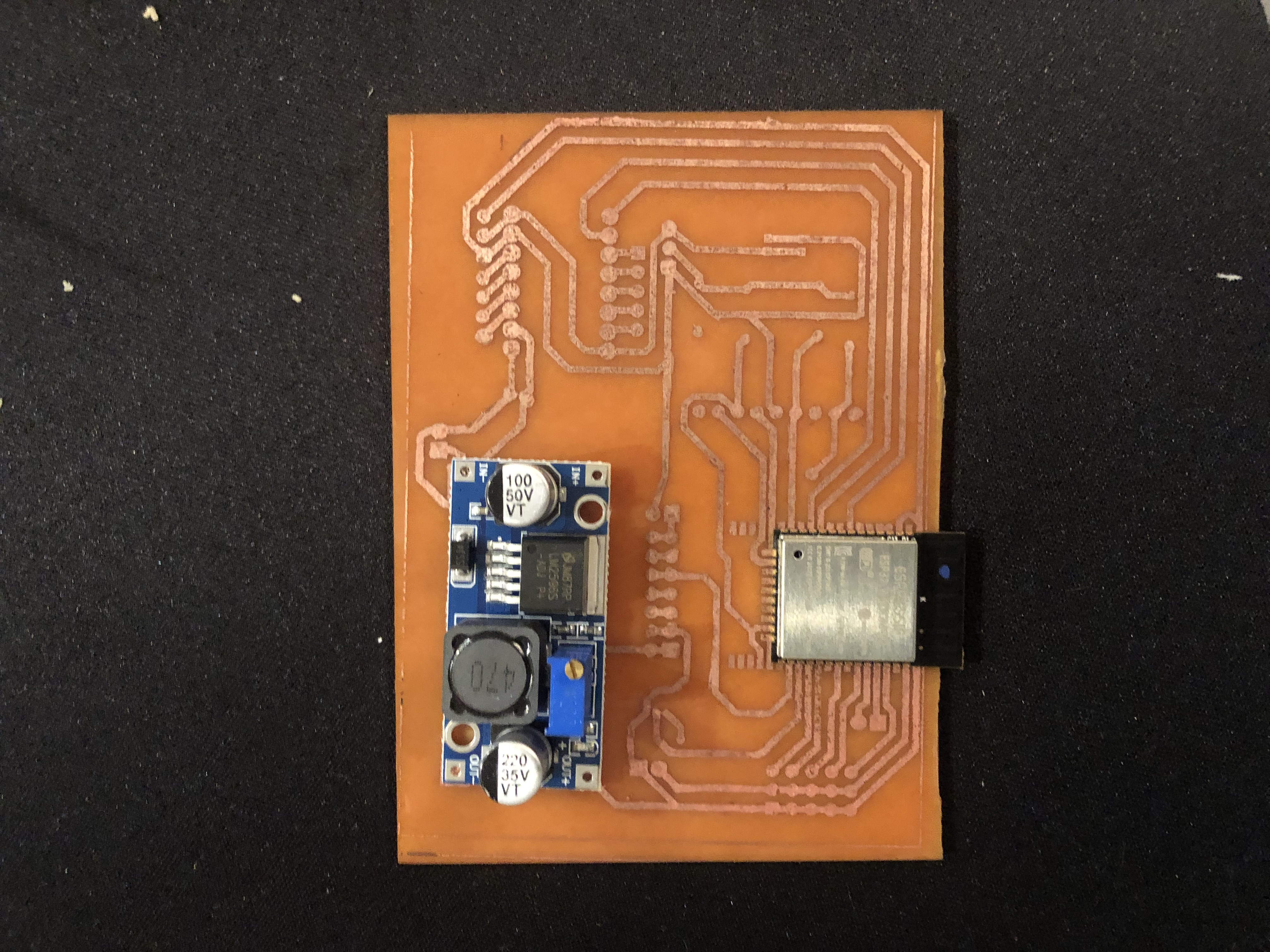
ESP32, stepper drivers, LCD screens, SD storage, GPIO, UART, I2C, SPI, power rails and debug headers.
Prototyping
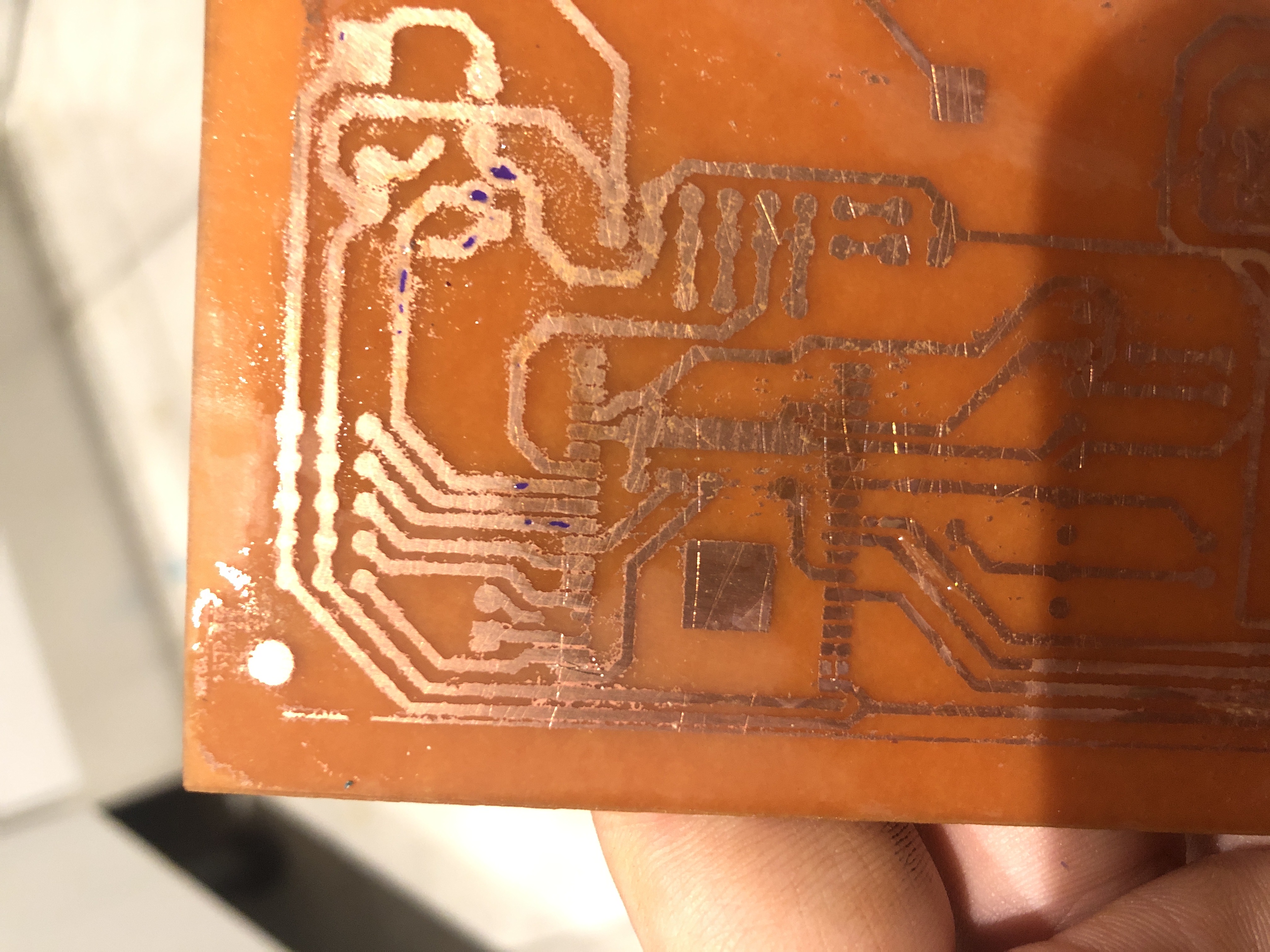
Printed fixtures, cost reduction, abandoned parts, replacement components and practical recovery from bad assumptions.
Labalek as the main artifact
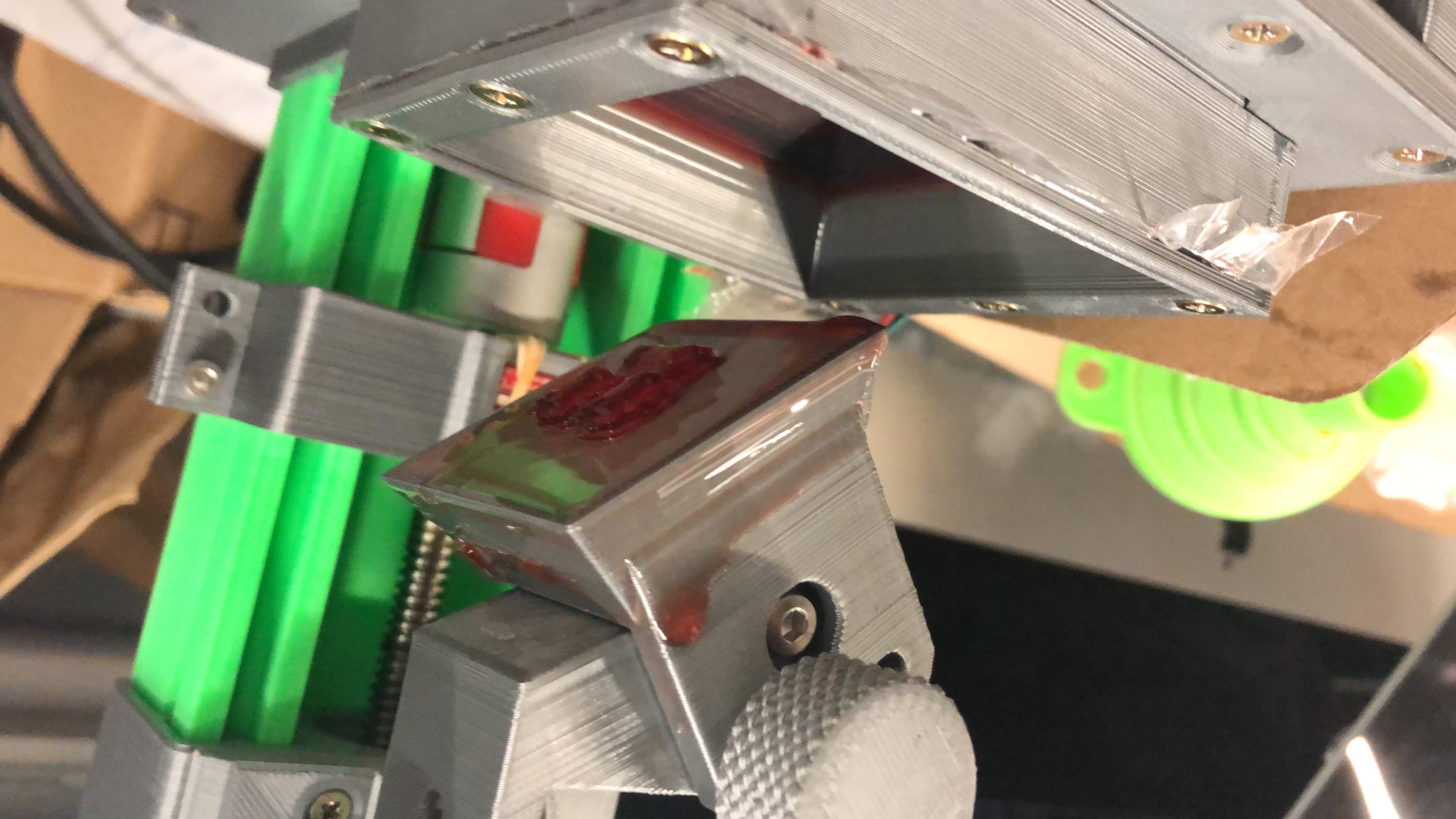
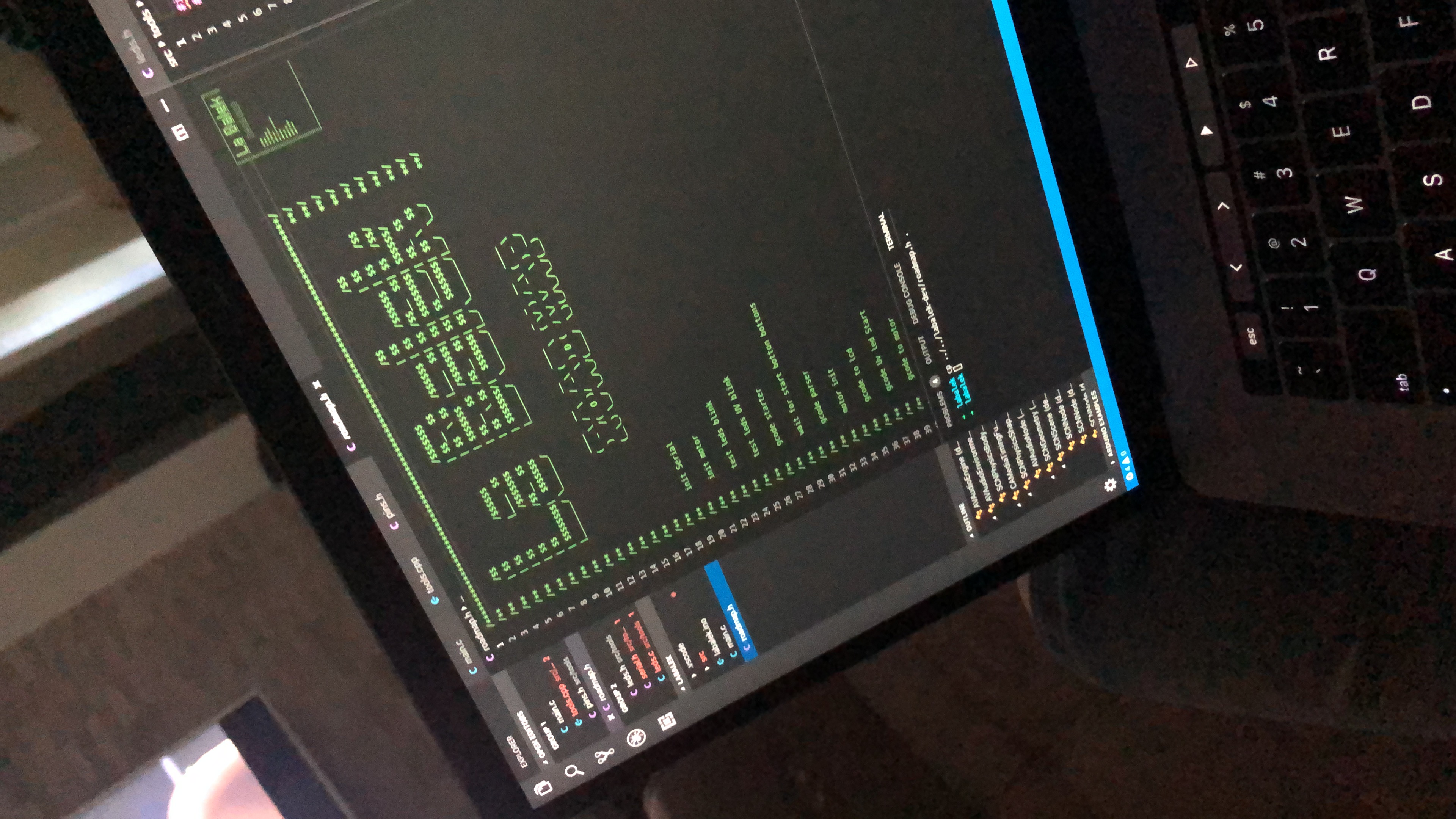
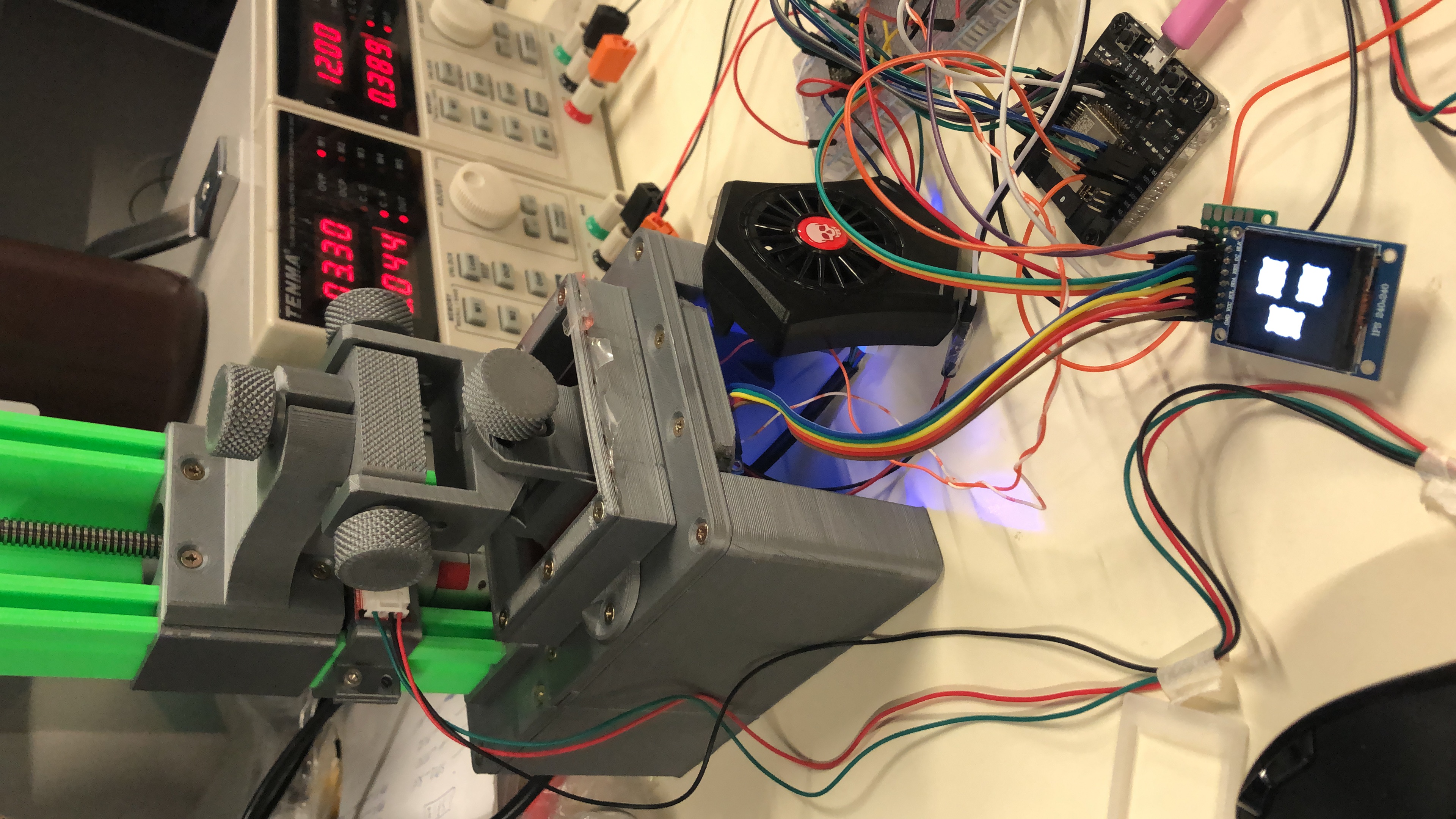
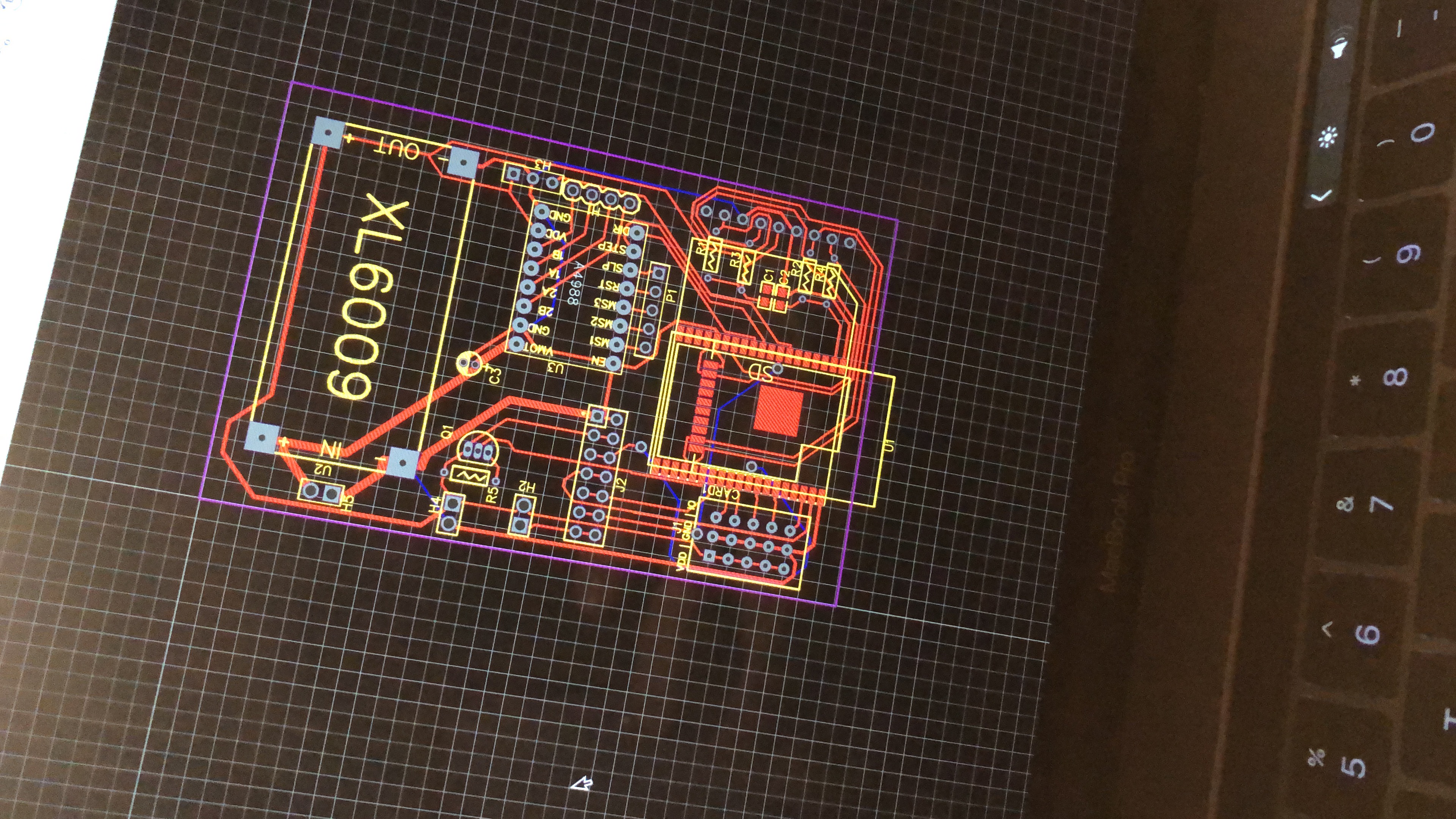
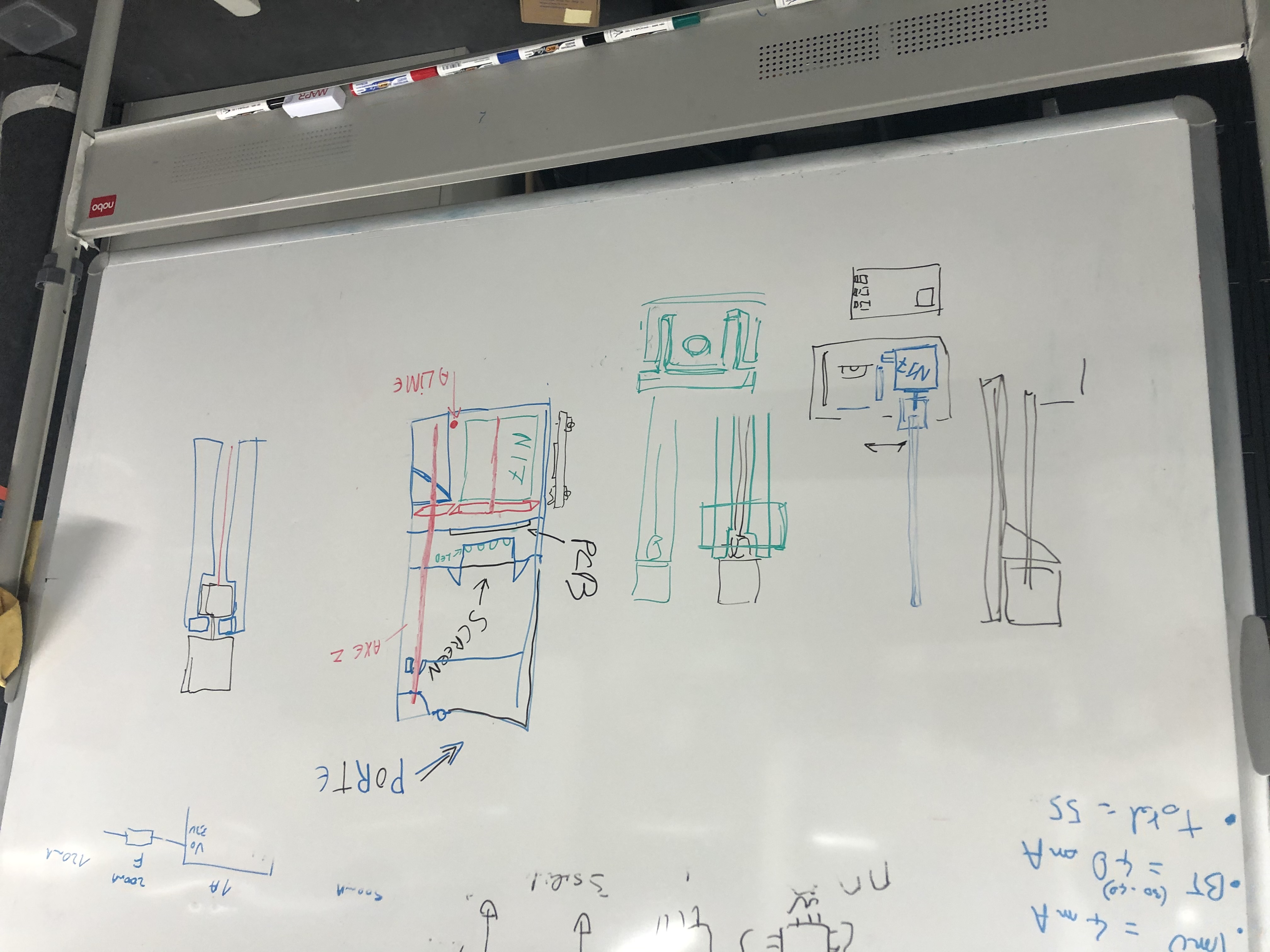
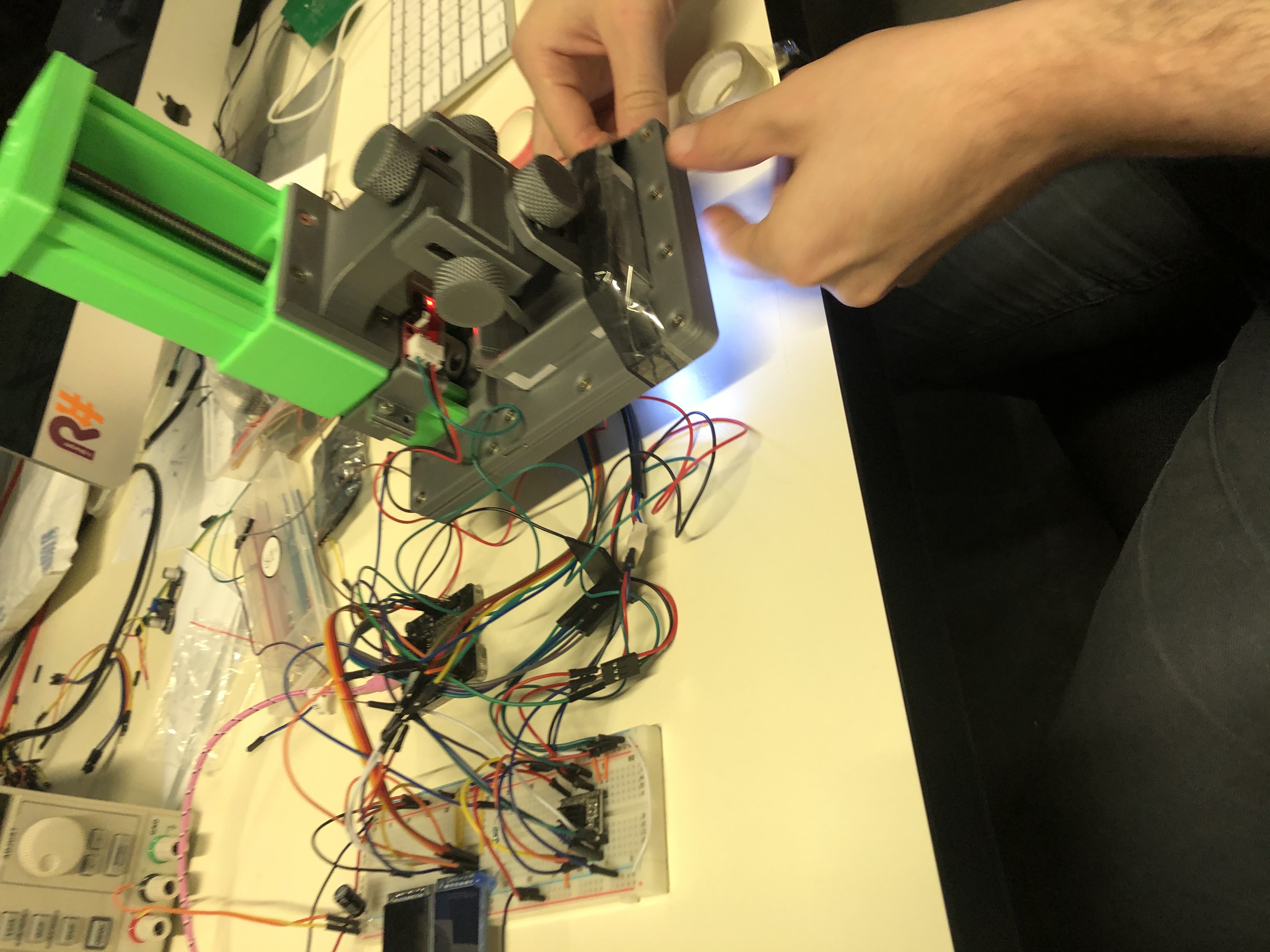
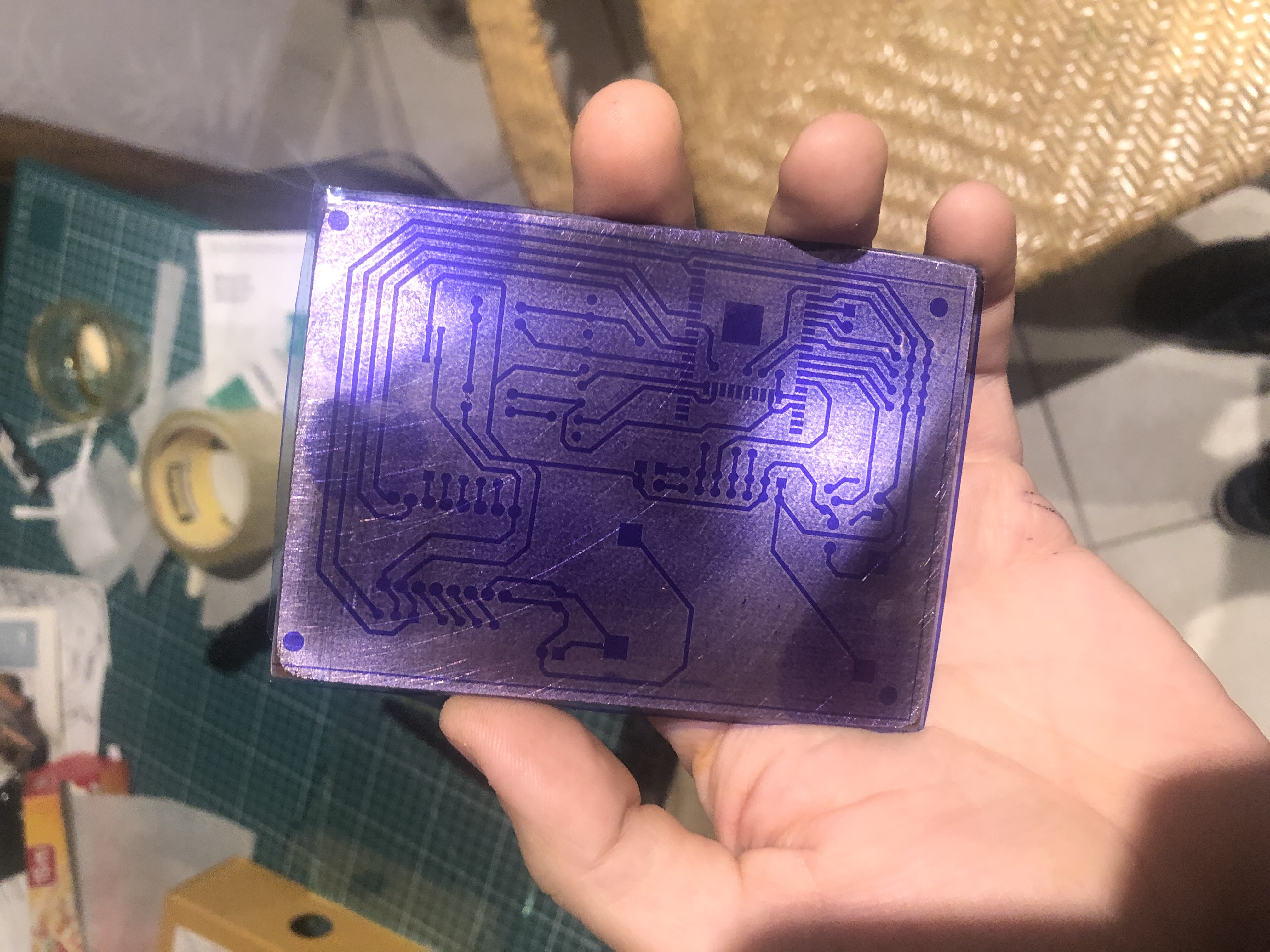
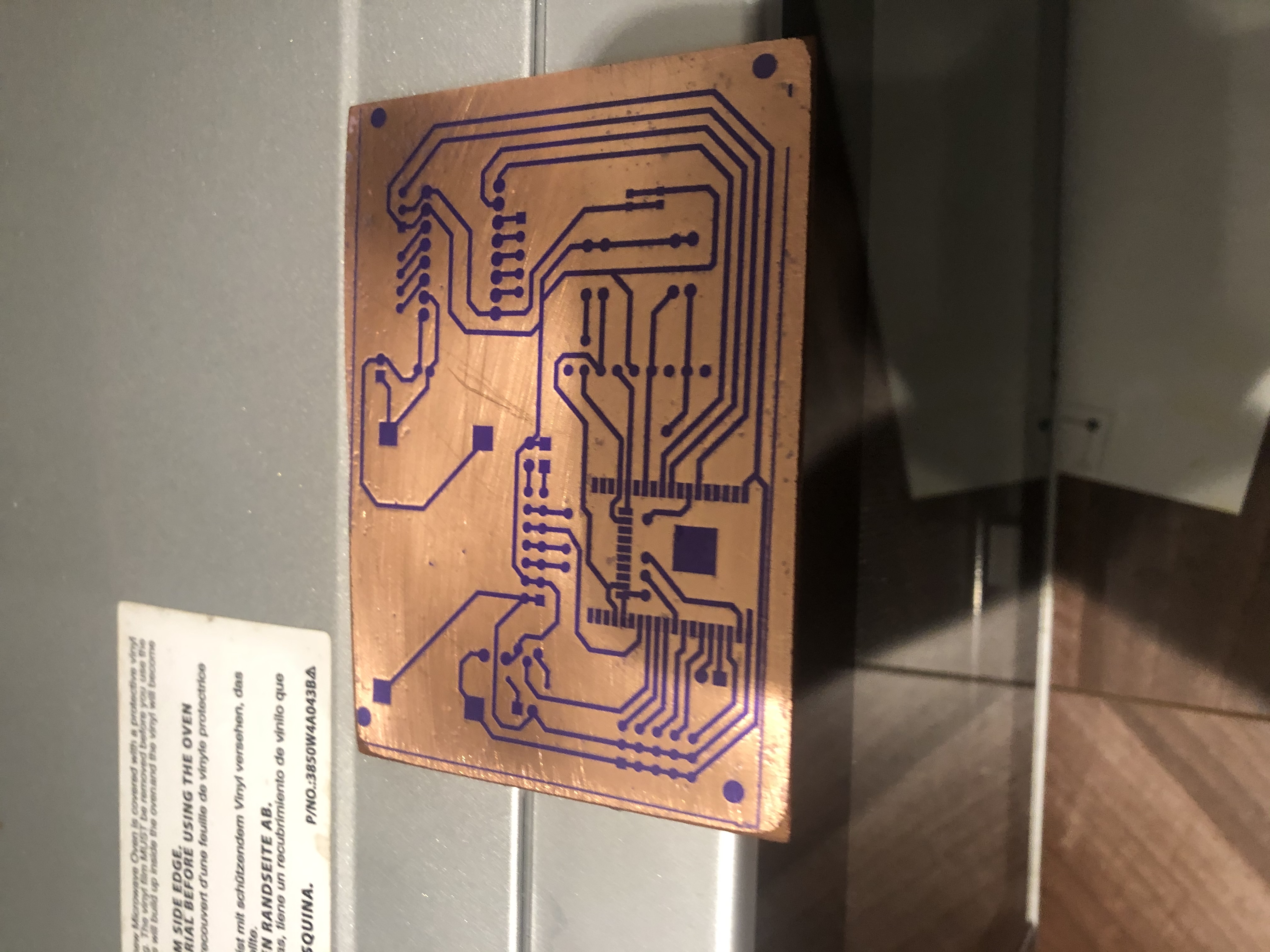
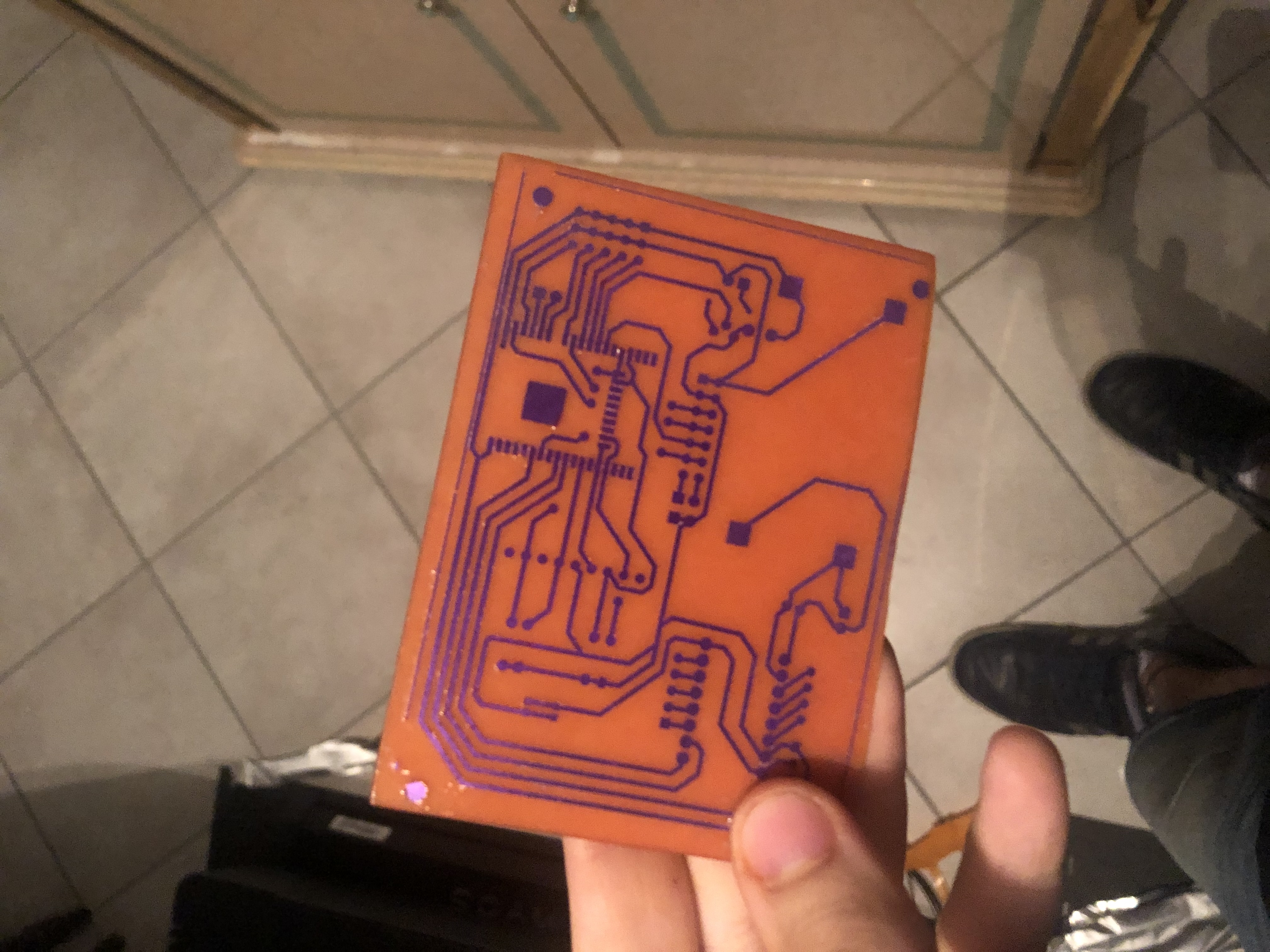
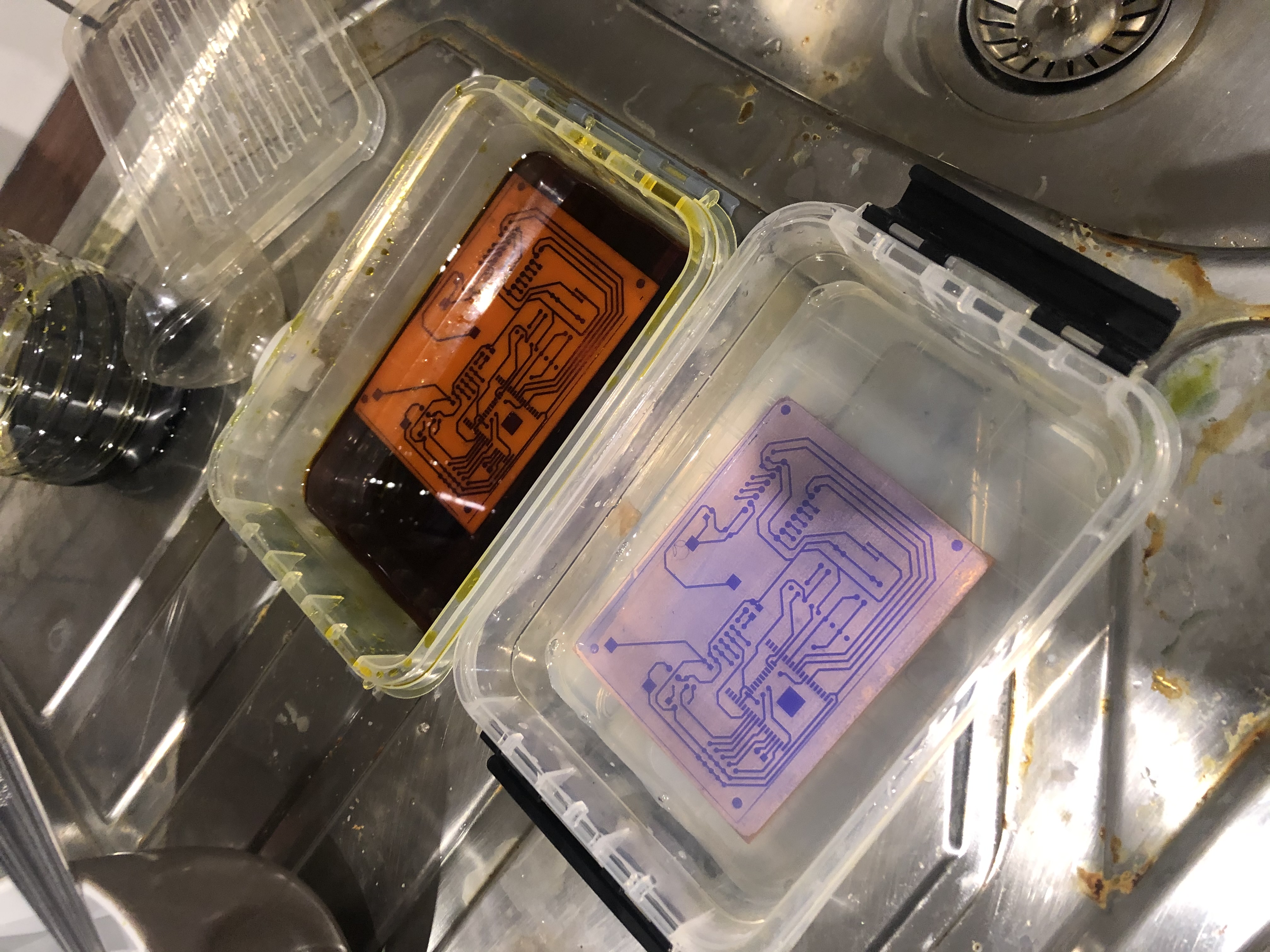
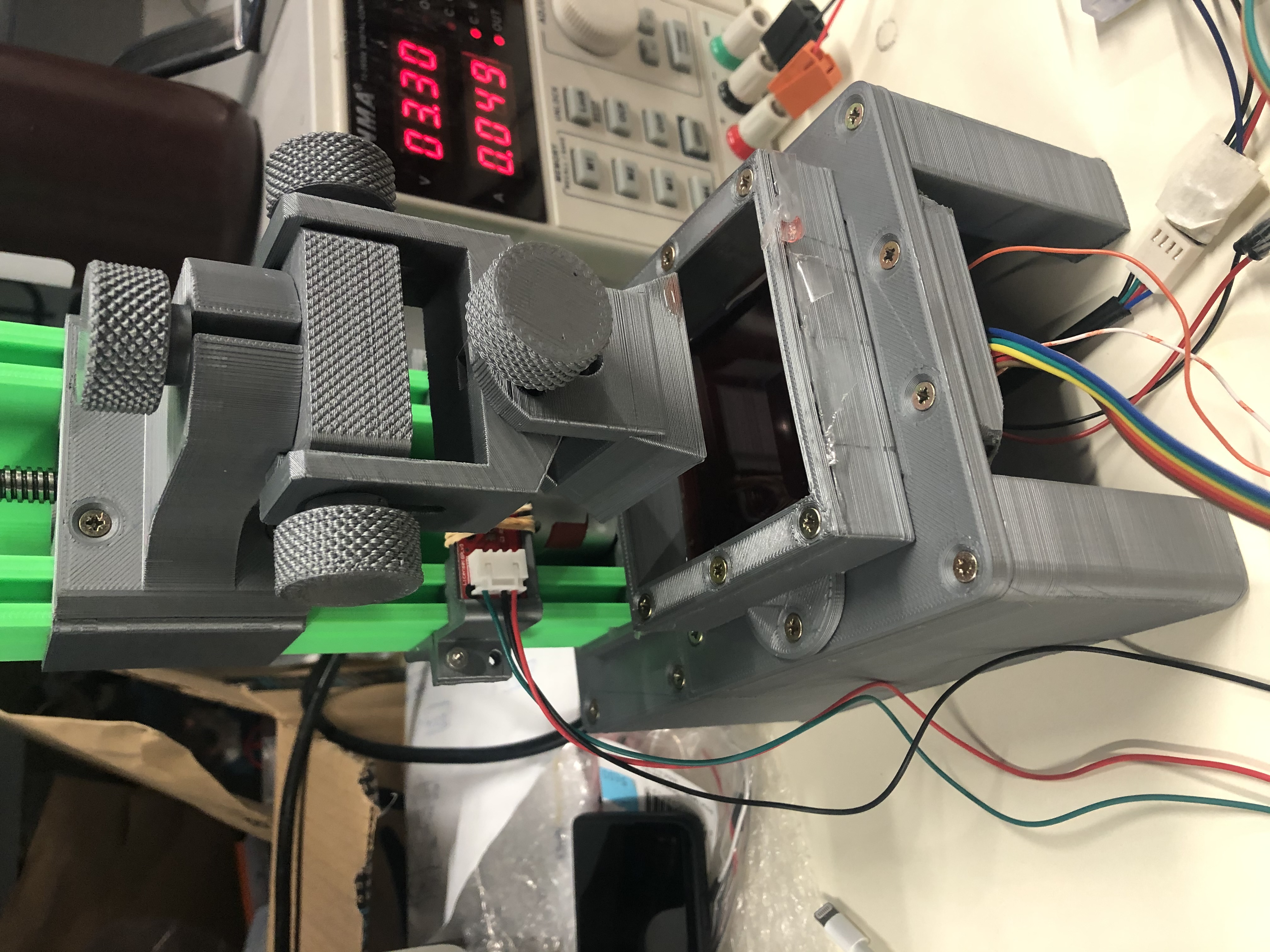
Labalek is the most complete hardware project on this portfolio: a custom resin printer effort with MSLA/DLP printing, a custom motherboard specification, ESP32 control, stepper motion, LCD masking, SD file loading, safety interlocks and a cost-driven mechanical bill of materials.
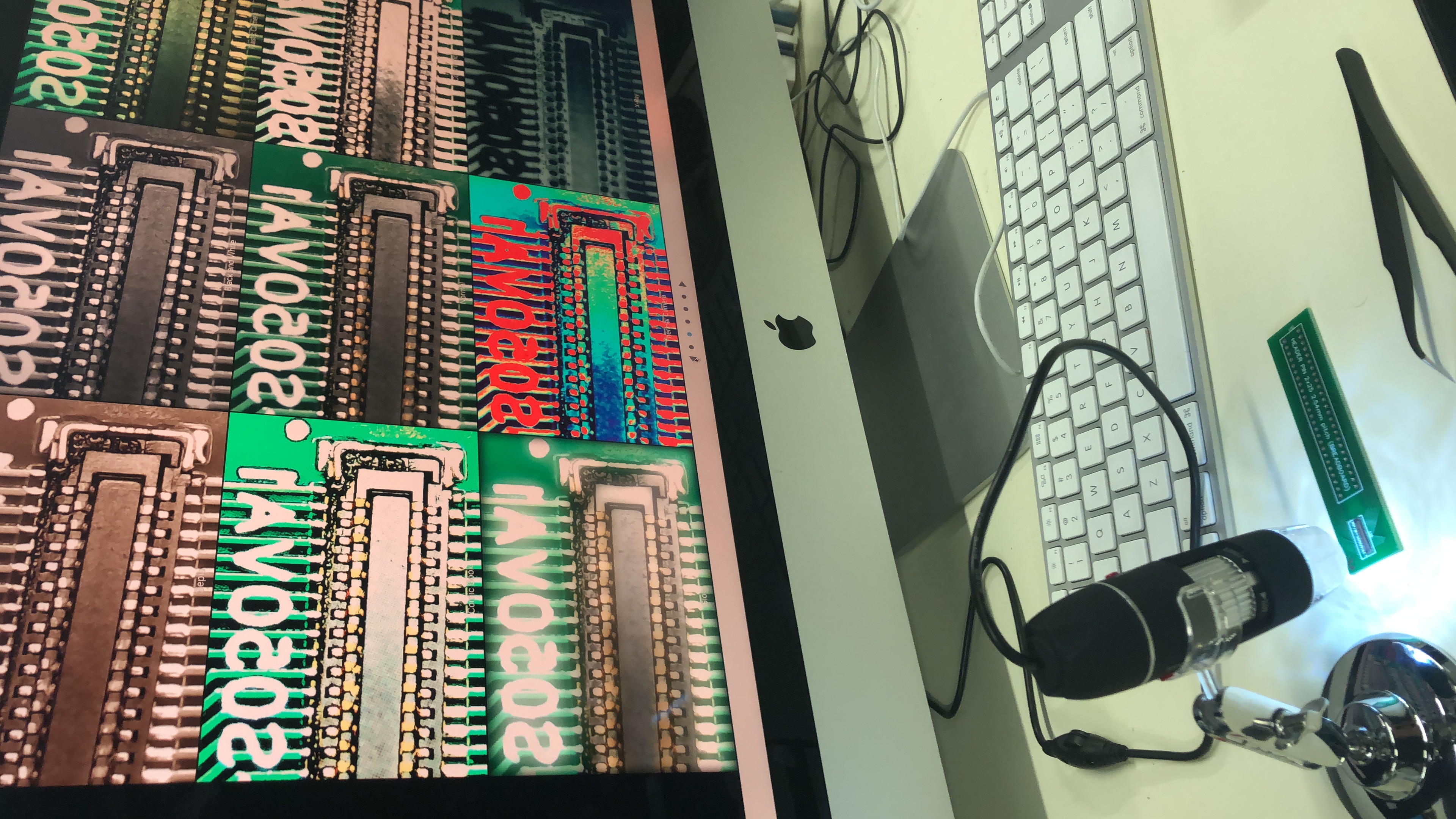
The interesting part is not only that a printer was assembled. The interesting part is the sequence of decisions: replacing aluminum profiles with printed structure, replacing a commercial coupler with a printed PETG coupler, testing a Wanhao D7 2K screen and abandoning it because the FPC connector and controller cost broke the low-cost goal.
Why it matters for software
Hardware makes vague software ideas harder to hide. "Retry" means something different when a motor moved. "Configuration" means something different when a screen controller is expensive. "Safety" means something different when UV LEDs are involved.
That is why my software work often returns to explicit state, cautious storage, deterministic IDs, bounded retries and documented trade-offs.
Gallery
 2026 © Daniel Netto. Todos os direitos reservados.